
The question every dog owner asks at some point
You've scooped the yard, you're standing there with a full bag and you look at the bins. Rubbish, recycling, green waste. Which one is it?
It's a fair question, because dog poo seems like it should be organic waste. It came from an animal, it breaks down eventually and it sits on the lawn next to the grass clippings. But the answer for most Wellington region households is simpler than you might expect, and getting it wrong can mean a rejected bin or a contaminated load of compost.
Here's how to get rid of dog poo properly around Wellington, the Hutt Valley and Porirua.
Can dog poo go in the green waste bin?
No. Garden waste bins are for plant material such as grass clippings, prunings and leaves, and dog poo is not accepted. In Lower Hutt, for example, the council's green-lid garden bin specifically lists pet waste as something that can't go in.
The reason is what happens next. Garden waste is turned into compost and mulch that people spread on their gardens, including vegetable beds. Dog poo can carry parasites such as roundworm and hookworm, along with bacteria like E. coli and giardia, and commercial composting isn't designed to deal with that risk. One bag of poo can contaminate a whole load.
The same applies if you use a private green waste collection service. Assume pet waste is not allowed unless your provider tells you otherwise in writing.
What bin does dog poo go in?
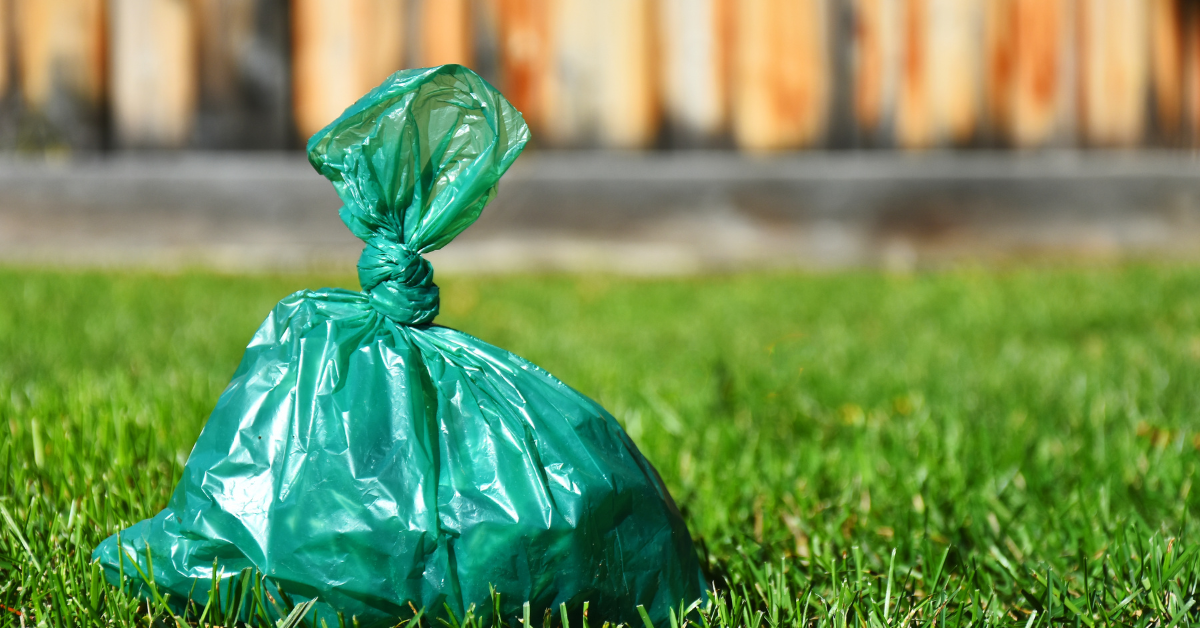
Dog poo belongs in your general rubbish. Bag it, tie it off and put it in your red-lid rubbish bin, council rubbish bag or private wheelie bin.
A few habits make a big difference:
- Double bag it. A single thin bag can split in the bin or when the truck tips it.
- Tie the bags tightly to keep the smell in and the flies out.
- Put the bags into the bin rather than leaving them beside it.
- If you can, time your big clean-ups for the day before collection so bags aren't sitting in the bin for a week in warm weather.
This is exactly how we do it on our regular runs. The waste is double bagged and goes into the customer's own wheelie bin, or we take it away if they'd rather it wasn't on site. One of our Wadestown customers has a skip bin at the house, so the bags go straight in there each visit. Whatever the setup, the principle is the same: sealed, contained and in the general rubbish.
If you're not sure what your council allows, every council in the region has an online bin guide where you can check specific items.
How do you dispose of dog poo when you're out walking?
Pick it up and bin it, every time. All four councils in the Wellington region require owners to remove their dog's poo from public places straight away, and leaving it behind is a quick way to fall out with the neighbours.
Carry more bags than you think you'll need. Public litter bins and dedicated dog waste bins are fine to use for bagged poo. If there isn't a bin nearby, carry the bag home and put it in your own rubbish.
Please don't hang bags on fences or leave them beside the track to collect later. They get forgotten, they split, and a bag of poo left on a walking track is a bigger problem than the poo itself because it doesn't break down.
Can you compost dog poo at home?
You can, but not in your normal compost and never anywhere near food.
A standard home compost bin doesn't get hot enough to reliably kill the parasites and bacteria in dog waste. If you then use that compost on your vegetable garden, you risk passing them on.
Some dog owners use a dedicated pet waste composter or a worm farm set up only for dog waste. These can work well, as long as you follow these rules:
- Keep it completely separate from your regular compost
- Site it well away from vegetable gardens, fruit trees and water sources
- Only use the finished material on ornamental plants, never on edibles
- Don't add waste from a dog that's on worming or other medication, as it can affect the worms
For most households, the rubbish bin is the simpler and safer option.
Can you flush dog poo down the toilet?
Some people do, but it's not something we'd recommend making a habit of. Wastewater systems are designed for human waste, and plenty of networks around New Zealand already struggle in heavy rain. If you're on a septic tank, dog poo can upset the balance the tank relies on.
If you do flush, only ever flush the poo itself. Never flush bags, including ones labelled flushable or biodegradable. They don't break down in pipes and can cause blockages. If in doubt, check with your local council before flushing pet waste.
What about biodegradable poo bags?
Biodegradable and compostable bags are a good step, but they only break down properly in the right conditions. In a landfill they behave much like ordinary plastic, and they shouldn't go in your green waste bin either.
If you want to reduce plastic, choose bags made from recycled material, use the thinnest bag that does the job and avoid double bagging small amounts when one strong bag will do. For bigger yard clean-ups where bags sit in a bin for days, double bagging is still worth it.
Keeping it simple and clean
Dog poo goes in the general rubbish, bagged and sealed. Not in the green bin, not in the home compost and not hung on a fence. Once you've got a routine, it takes no thought at all.
If you'd rather someone else handled the scooping, the bagging and the bin, PooPals looks after yards across Wellington, Lower Hutt, Upper Hutt and Porirua. We double bag everything into your wheelie bin or take it away, so you never have to think about which bin it goes in again.