
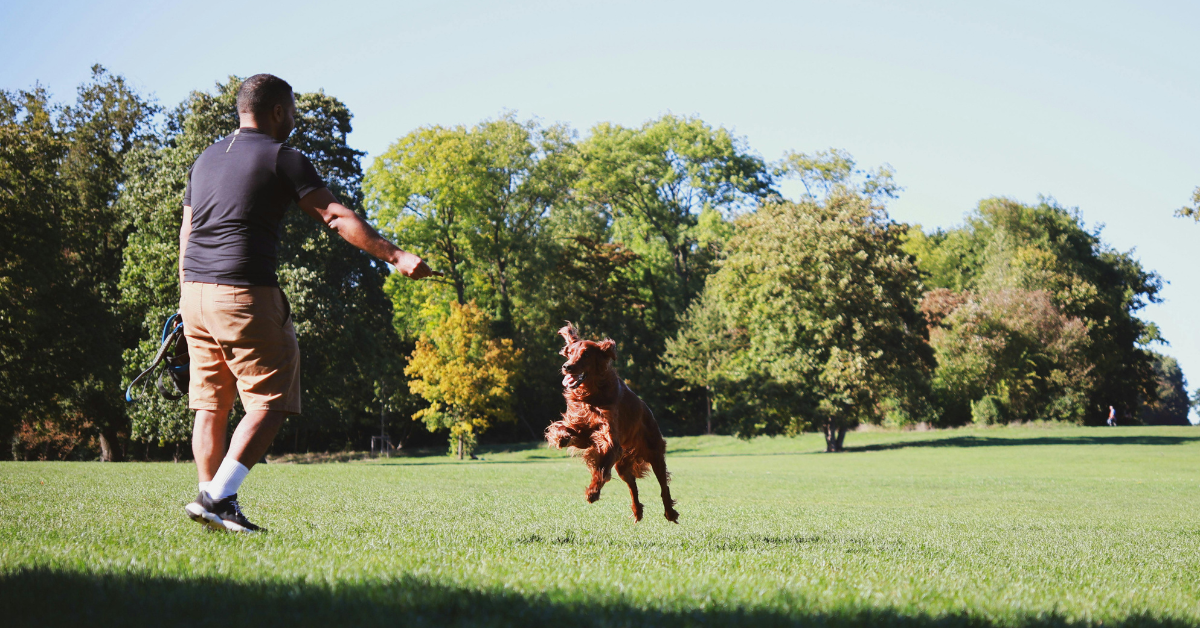
Why dog park etiquette matters
Wellington is lucky to have plenty of places where dogs can run free, from beaches to hilltop reserves and fenced exercise areas. These spaces only work because owners share them responsibly. One badly behaved dog, or one owner glued to their phone, can turn a fun outing into a stressful one for everyone.
Good etiquette isn't about being strict. It's about making sure every dog and every person has a good time. Whether you're new to off-leash areas or a regular, these are the habits that keep Wellington's dog parks friendly.
What should you do before taking your dog to a dog park?
Preparation makes everything easier. Before your first visit:
- Make sure your dog is registered and wearing their tag
- Keep vaccinations, worming and flea treatment up to date
- Check your dog's recall is reliable, even with distractions
- Pack poo bags, a lead and water
- Check the area's rules, as some reserves and beaches have seasonal or time-based restrictions
Be honest about your dog's personality. Not every dog enjoys busy off-leash areas, and that's fine. Nervous or reactive dogs are often happier on quieter walks or with one or two familiar dog friends.
How do you know if your dog is ready for off-leash play?
The most important skill is recall. Your dog should come back when called, every time, even when another dog is running past. Practise on a long lead in quiet places first, then build up.
Watch your dog's body language around other dogs. A dog that's ready for park play usually approaches with a loose, wiggly body, uses play bows and backs off when another dog says it's had enough.
Puppies shouldn't visit public dog parks until they've finished their vaccination course. Your vet can tell you when that is. Older dogs and dogs recovering from injury may prefer a gentler walk to a rough-and-tumble play session.
What are the most important rules of dog park etiquette?
These unwritten rules keep things running smoothly:
- Stay present and watch your dog, not your phone
- Pick up every poo straight away and bin it, even in big open spaces
- Use double gates properly, letting dogs clear the entrance before you enter
- Leave high-value toys and food at home to avoid squabbles
- Step in early if your dog is mounting, bullying or won't leave another dog alone
- Don't bring more dogs than you can actively supervise
- Leave if your dog is getting overexcited, tired or grumpy
Short, positive visits are better than long ones that end badly. Most dogs get plenty out of 20 to 30 minutes of good play.
What should you do if there's a problem at the dog park?
Stay calm. Most scuffles look and sound worse than they are and end quickly. If dogs start fighting, avoid grabbing collars or putting your hands between them. Use your voice, a distraction or, if safe, gently separate them by the back legs.
If any dog is hurt, check on everyone involved and exchange contact details. Note what happened while it's fresh in your mind. For serious incidents or ongoing problems with a particular dog, contact your local council's animal services team.
Be gracious if your dog is the one causing trouble. A quick apology and an early exit go a long way towards keeping the peace.
Why does picking up dog poo at the park matter so much?
Dog poo left in parks and on beaches isn't just unpleasant to step in. It can carry parasites and bacteria that other dogs and children pick up, and it washes into streams and onto beaches when it rains.
Councils across the Wellington region require owners to clean up after their dogs in public places. Carry more bags than you think you'll need, and if there's no bin nearby, take the bag home. Please don't leave tied bags beside the track to collect later. They're easily forgotten and last far longer than the poo itself.
Where can you take your dog off lead in Wellington?
Each council in the region sets its own dog rules, and they change from place to place. Some beaches allow dogs off lead all year, others only outside summer hours, and some don't allow dogs at all. Many parks and reserves have a mix of on-lead tracks and dedicated off-lead areas, and some sports fields are dog-free during games.
The easiest way to know is to check your council's dog exercise area maps before heading out, and to read the signs at the entrance. Rules can also change for wildlife reasons, such as nesting seasons on beaches, so it's worth checking again even at places you know well.
When you're in an off-lead area, your dog still needs to be under control. That means they come back when called, don't rush up to people or dogs who don't want company, and stay away from wildlife. If your dog's recall isn't reliable yet, use a long lead until it is. Keeping off-lead areas open to dogs depends on owners showing they can manage them.
How do you know when it's time to leave the dog park?
Watch for signs your dog has had enough: a tucked tail, hiding behind your legs, snapping at other dogs, or play that's getting rougher and less relaxed. Tired dogs are more likely to get into scuffles. Leaving on a good note, while your dog is still enjoying themselves, makes the next visit easier too.
Good habits at the park and at home
The same care that makes a dog park pleasant also keeps your own backyard healthy. A dog that comes home from the park to a clean, scooped yard is less likely to bring parasites back into the house, and a regular routine makes it easy.
If you'd like a hand at home, PooPals keeps backyards clean across Wellington, the Hutt Valley and Porirua, so you can spend more time at the park and less time with a scooper.