
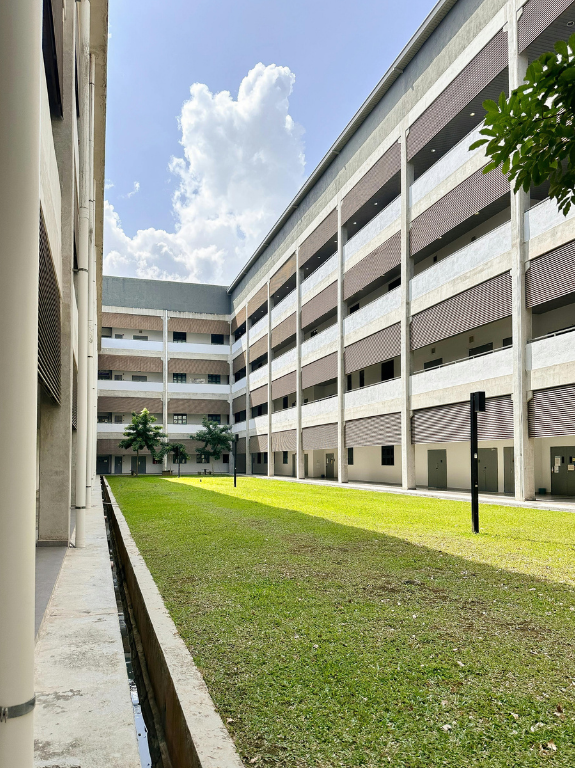
Shared lawns, courtyards and driveway verges are some of the most-used spaces in any townhouse or apartment complex. They're also where dog poo causes the most friction. One owner who doesn't scoop can turn a pleasant strip of grass into a no-go zone for everyone else, and the complaints usually land on the body corporate committee.
The good news is that most of these problems are easy to prevent with clear rules, a fair process and a simple cleaning routine. Here's how body corporates and committees across New Zealand can keep shared spaces clean without starting a feud.
Can a body corporate ban dogs in NZ?
Yes, a body corporate can restrict or ban pets through its operational rules, as long as those rules are consistent with the law. The default rules that apply to most unit title developments don't mention pets at all, so any pet rule has to be added by the owners.
In practice, an outright ban is often more trouble than it's worth. Many complexes now take a middle path, allowing dogs with conditions such as:
- a limit on the number or size of dogs per unit
- dogs kept on a lead in shared areas
- owners picking up after their dog straight away
- barking managed so it doesn't disturb neighbours
Rules like these keep pet owners happy while protecting everyone else's use of the common property. Before changing your rules, it's worth getting proper advice, because the process for adding or amending rules has requirements of its own.
Who is responsible for dog poo on common property?
The dog's owner is responsible for picking up after it, whether they own the unit or rent it. Default body corporate rules already say rubbish can't be left lying on common property and must be disposed of hygienically and tidily, and dog waste sits comfortably under that expectation.
Where a tenant has the dog, the landlord or property manager is the first point of contact. Owners are responsible for making sure their tenants follow the body corporate rules, so a quick word with the landlord often solves the problem faster than a formal complaint.
The body corporate itself is usually responsible for the general upkeep of shared grounds. That's why many committees choose to budget for a regular clean of lawns and courtyards, rather than relying on every single owner to be perfect.
What can you do about dog poo in a shared area?
Start with a friendly, direct conversation. Plenty of people simply don't realise their dog is going in a shared space, especially if it happens on an early morning or late-night toilet break. A calm word clears up a surprising number of issues.
If that doesn't work, a sensible next step looks like this:
1. Remind all residents of the rules in a general notice, rather than singling anyone out. 2. Keep a simple record of when and where the problem happens, with dated photos. 3. Raise it with the unit owner or property manager if a tenant is involved. 4. Put it on the agenda for the committee to discuss formally.
Most disputes stop well before step four. If a problem genuinely won't go away, there are formal options for resolving body corporate disputes, so check with Tenancy Services for the process that applies to your complex.
One townhouse complex we look after in Lower Hutt had a shared lawn that most residents had stopped using. Two or three dogs used it every day, nobody was sure whose job it was to clean up, and the committee was fielding complaints. After a first clean and a regular weekly visit, the lawn was back in use right away. The dated photos also gave the committee something simple to show owners at the next meeting.
Why dog poo in shared spaces is a bigger problem than it looks
It's tempting to think of dog waste as a cosmetic issue, but in shared spaces it affects more people more often. Dog faeces can carry roundworm, hookworm, giardia and harmful bacteria, which can survive in soil long after the poo itself has been washed away. Children playing on a shared lawn, residents sitting outside and contractors mowing or gardening are all exposed.
Wellington's weather adds to the problem. Rain spreads waste into the soil and onto paths, and wet, mild conditions help parasites survive for longer. Dog poo also takes months to break down fully, so a lawn that isn't scooped regularly builds up a backlog quickly.
Then there's the cost. Dog waste burns grass, leaving yellow and brown patches that need reseeding, and a smelly, unkempt shared area doesn't help when units are being sold or rented. A tidy common area is part of what makes a complex feel well run.
How do you get residents to pick up after their dogs?
The most effective approach combines clear expectations with making the right thing easy. A few ideas that work well in shared developments:
- Put the pet rules in the welcome pack for new owners and tenants.
- Install a bin near the main dog-walking route so residents aren't carrying bags far.
- Add a small, friendly sign at the entrance to shared lawns.
- Designate a gravel or bark area away from play spaces as the preferred toilet spot.
- Share a short reminder before summer, when people spend more time outdoors.
It also helps to accept that even good owners miss things. A regular professional clean takes the pressure off neighbours to police each other, which is often where the real tension comes from.
Setting up a cleaning routine for shared grounds
For most townhouse complexes, a weekly or fortnightly clean of shared lawns and courtyards is enough to stay on top of things. Larger developments with lots of dogs may need more frequent visits, while small blocks might manage with a monthly tidy over winter.
When choosing a provider, committees usually look for a few things:
- a site visit first, so the service is matched to the actual grounds
- dated before and after photos of each visit, which create a useful record if questions come up
- photos of gates closed on the way out, so residents' dogs stay secure
- background-checked staff, since they'll be working around people's homes
- an insurance certificate available on request
A clear record of visits is especially handy for committees. It shows owners exactly what their levies are paying for, and it gives you something concrete to point to if a complaint comes up later.
Keeping shared spaces clean and neighbourly
A shared lawn should be somewhere residents enjoy, not a source of awkward conversations. Fair pet rules, a calm process for problems and a regular cleaning routine solve the vast majority of dog poo issues in body corporate developments.
If you manage a townhouse complex, apartment block or shared property in Wellington, the Hutt Valley or Porirua, PooPals can keep your common areas clean on a set schedule. We start with a free site visit and Pet Waste Management Plan, then send dated before and after photos after every visit, so your committee always has a clear record.
This article is general information only, not legal advice. Check with Tenancy Services for the rules that apply to your complex.