
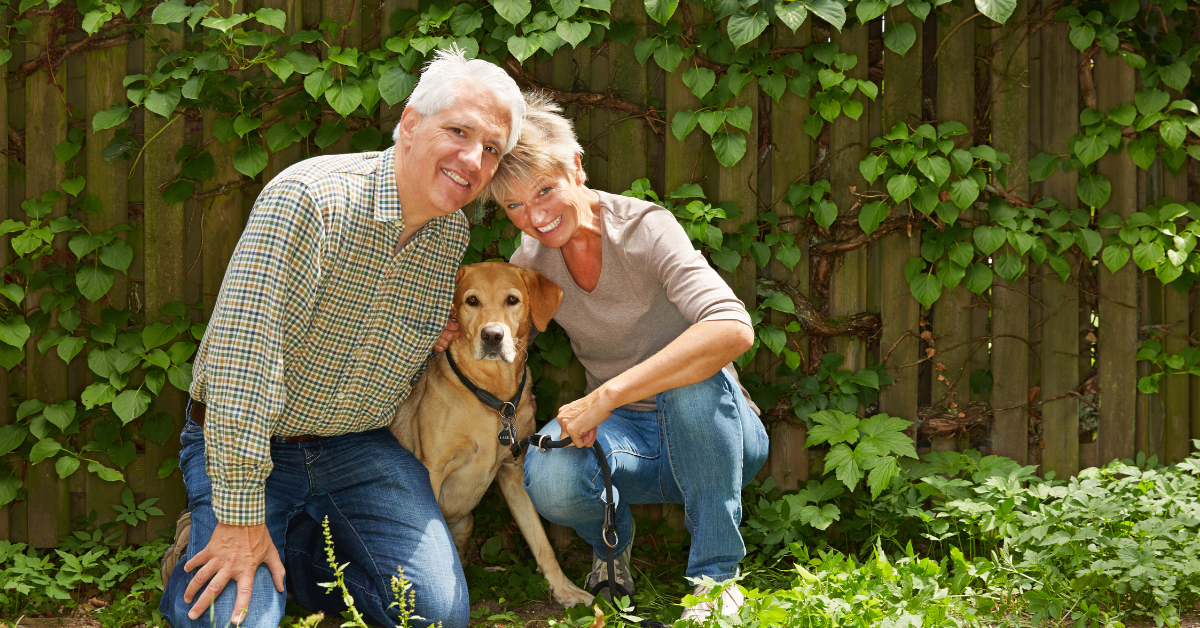
Dogs keep us young, but the scooping doesn't get easier
For many older New Zealanders, a dog is the best company there is. A reason to get up in the morning, a walking partner, a friendly face at the door and someone to talk to over dinner. Plenty of research backs up what dog owners already know: having a dog keeps you active, social and happier.
What gets harder over time is the yard work that comes with it. Bending down repeatedly, carrying bags across uneven ground and walking on wet grass all become a bit riskier with age. None of that is a reason to give up a dog. It just means setting things up so the yard stays clean without putting you at risk.
Is picking up dog poo difficult for older people?
It can be. Scooping a yard involves a lot of bending, twisting and searching the ground, often on grass that's slippery after rain. For anyone with sore knees, a stiff back, balance concerns or reduced eyesight, it can turn a small chore into a real strain.
Falls are one of the most common causes of injury for older New Zealanders, and backyards are full of the things that cause them: wet grass, uneven lawns, digging holes, hoses and, of course, dog poo underfoot. Slipping on a pile is a lot more serious at 80 than at 30.
A family in Tawa booked us for their dad, who lives on his own with an elderly Lab. After every fortnightly scoop they get dated before/after photos, so they know the yard's clear without driving over to check.
What is the easiest way for seniors to pick up dog poo?
A few simple tools and habits make a big difference.
- Use a long-handled scooper and rake set, so you can pick up without bending.
- Keep a bin with a lid near the back door, so you're not carrying bags far.
- Scoop little and often, ideally daily, so each clean-up is quick.
- Pick up in daylight, or install sensor lights for the back steps and lawn.
- Wear shoes with good grip, never jandals, on wet grass.
- Train the dog to use one spot, such as a gravel or bark area close to the house.
That last tip is especially useful. If your dog goes in one area near the back door, there's no need to walk the whole yard looking for it. It takes some patience to train, but most dogs learn with consistent praise and a few weeks of routine.
How can I make my backyard safer for me and my dog?
Think about the routes you walk most, such as from the back door to the washing line, the bins or the garden, and make those as safe as possible.
- Keep paths clear of hoses, toys and pots
- Fill in holes from digging and level out uneven patches
- Add a handrail to back steps if there isn't one
- Mow regularly so you can see the ground clearly
- Keep moss and slime off paths and decks in winter
Regular scooping is part of this too. A yard that's cleared every week is much safer to walk on than one where waste has built up in the grass, and it's healthier for the dog, because parasites like roundworm and hookworm spread through faeces left on the lawn.
Can I still keep a dog if I can't manage the yard?
In most cases, yes. Not being able to manage the scooping shouldn't be the reason someone gives up a dog they love.
There are plenty of options. Family members or neighbours sometimes help out, though it can be awkward to keep asking. A regular dog poo pickup service can visit weekly or fortnightly to clear the yard, so you only need to deal with the odd fresh pile in between, or none at all. Some owners combine both: a regular professional clean, plus a long-handled scooper by the back door for the occasional quick pick-up.
It's also worth asking your vet about anything that would make daily care easier, such as diet changes that affect how often your dog goes, or advice for older dogs who have slowed down alongside their owners.
What size dog is easiest to look after as you get older?
There's no single right answer, but many older owners find small to medium dogs easier to manage. They're lighter on the lead, less likely to knock you over and produce smaller amounts of waste in the yard. Calmer, older dogs can also be a great match, and rescue centres often have mature dogs that are already house-trained.
Energy level matters as much as size. A high-energy young dog needs a lot of exercise, and a bored dog is more likely to dig and churn up the yard. Choose a dog whose needs fit your routine, and the yard will be easier to manage too.
Helping an older parent with their dog
If you're the adult son or daughter of an older dog owner, you may have noticed the yard isn't as tidy as it used to be. That's often a sign the scooping has become harder, but it's rarely something your parent will bring up.
A gentle conversation goes a long way. Rather than suggesting they can't manage, frame it around making life easier and safer. Some families set up a regular yard service as a gift, or split the cost between siblings. It means the dog can stay, your parent can keep enjoying the garden and you don't have to worry about a fall on wet grass.
Keeping the dog, losing the chore
Owning a dog later in life brings huge benefits, and a bit of planning keeps the yard from becoming a hazard. Good tools, a safe layout and regular help with the scooping mean you can keep enjoying your dog and your garden for years to come.
If you'd like that help, PooPals visits yards across Wellington, the Hutt Valley and Porirua on a regular schedule. We text before we arrive, scoop the whole yard and send a photo of your closed gate when we leave, so there's nothing to bend down for and nothing to worry about.