
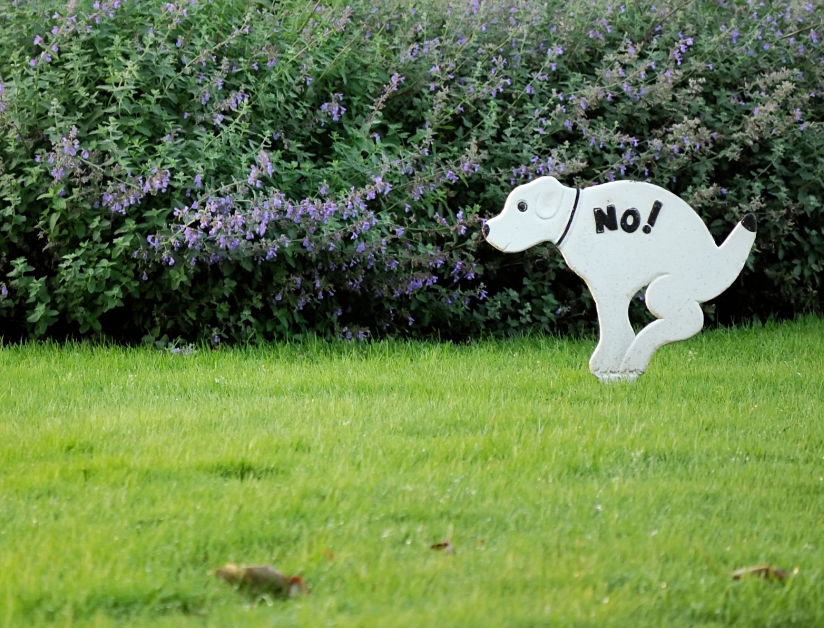
Plenty of dog owners assume poo left on the lawn will simply break down and feed the grass. Unfortunately, it works the other way. Dog waste is one of the most common causes of patchy, yellowing lawns in New Zealand backyards, rentals and shared properties.
Whether you're a homeowner, a landlord or someone who manages shared grounds, understanding why dog poo damages grass makes it much easier to prevent, and much cheaper than fixing it later.
Is dog poo bad for grass?
Yes. Dog poo is bad for grass because it's high in nitrogen and slow to break down. A dog's protein-rich diet produces waste that's far more concentrated than cow or sheep manure, and when it sits on a lawn that nitrogen effectively burns the grass underneath.
The damage tends to follow a pattern. First the grass around the poo turns a darker, lusher green. Then it yellows, and finally it browns off and dies, leaving a bare patch. Because the poo smothers the grass while all this is happening, the spot underneath often dies faster than the area around it.
Dog waste also creates a damp, nutrient-rich pocket that suits lawn fungus and moss, which are already a challenge in Wellington's wetter months.
Does dog poo fertilise the lawn?
No, not in any useful way. This is one of the most common myths about dog waste. Livestock manure is used as fertiliser because animals like cows eat a plant-based diet, which produces gentler, lower-nitrogen manure. It's also usually composted first.
Dog poo is a different story. It's too strong to feed grass safely, and it can carry roundworm, hookworm, giardia and harmful bacteria. That's also why it should never go in a home compost bin used for the vegetable garden.
How long does dog poo take to break down?
Dog poo can take up to a year to break down completely, depending on the weather, the dog's diet and where it lands. Rain may wash the visible part away sooner, but that doesn't mean it's gone. It simply moves into the soil, onto paths and, eventually, into stormwater drains that flow to our streams and harbour.
In Wellington, the mix of wind, rain and mild temperatures means waste rarely dries out properly. The result is a slow, messy breakdown and parasite eggs that can stay in the soil for a long time.
Is dog urine or dog poo worse for grass?
Both cause damage, but in different ways. Dog urine causes the classic round yellow or brown spot with a bright green ring around the edge, and it tends to show up quickly. Female dogs and puppies, which usually empty their bladders in one spot, often cause more noticeable urine patches.
Poo damage is slower but lasts longer, because the waste sits on the grass for days or weeks. When the same part of the lawn gets both, which is common near back doors and along fence lines, the patches can spread until whole sections need repairing.
A quick hose-down after your dog pees helps dilute urine. For poo, the only real fix is removing it regularly.
A Ngaio lawn we started on recently is a good example. It hadn’t been scooped for a couple of months, and there were yellow and brown patches all along the back fence where the dog usually went. After a few weeks of regular fortnightly visits, the waste stopped building up and the owner was able to reseed the worst spots. Fresh grass was coming through by the fourth visit.
How do you fix dog-damaged grass patches?
Once a patch has turned brown, the grass is usually dead and won't recover on its own. Repairing it is straightforward, though it takes a few weeks:
1. Remove all dog waste from the area first. 2. Rake out the dead grass and loosen the top few centimetres of soil. 3. Water the patch well to flush out excess nitrogen. 4. Sprinkle a little fresh topsoil, then sow lawn seed suited to your conditions. 5. Keep the area moist and keep dogs off it until the new grass is established.
Spring and early autumn are the best times to reseed in the Wellington region, when the soil is warm and there's enough rain to help seed take.
What dog waste damage costs
For a homeowner, a few patches might mean a bag of seed, some topsoil and a weekend of effort. For larger lawns, or properties that have been left a while, it can mean re-turfing whole sections.
For landlords and property managers, the stakes are higher. A yard covered in dead patches is one of the more common sources of disagreement at the end of a tenancy, particularly over what counts as damage and what is fair wear and tear. For body corporates, patchy shared lawns cost money to restore and make the whole complex look less cared for.
There's also the time cost. Reseeding means keeping dogs off the repaired area for several weeks, which is hard in a small yard where the lawn is the only space they have. Many owners end up repairing the same patches every spring because the cause was never dealt with.
In almost every case, regular removal costs far less than repairs.
How to protect your lawn from dog damage
A few simple habits make a big difference:
- Pick up dog poo at least once a week, and more often for multiple dogs.
- Water urine spots soon after your dog goes.
- Mow a little higher, as longer grass is tougher and hides minor damage.
- Train your dog to use a gravel or bark area away from the main lawn.
- Make sure your dog has plenty of fresh water to help dilute their urine.
For rentals and shared properties, it also helps to keep a record. Dated before and after photos of the yard make it much easier to show what condition a lawn was kept in over time.
A healthier lawn starts with a cleaner yard
Dog poo doesn't fertilise your lawn, it damages it, and the longer it's left the more it costs to fix. Regular removal is the simplest way to keep grass green, yards safe and properties looking cared for.
If you'd rather not spend your weekends scooping, PooPals keeps yards across Wellington, the Hutt Valley and Porirua clean on a regular schedule, for homeowners, landlords and shared properties alike. Every visit includes dated before and after photos, so you can see exactly how your lawn is being looked after.