
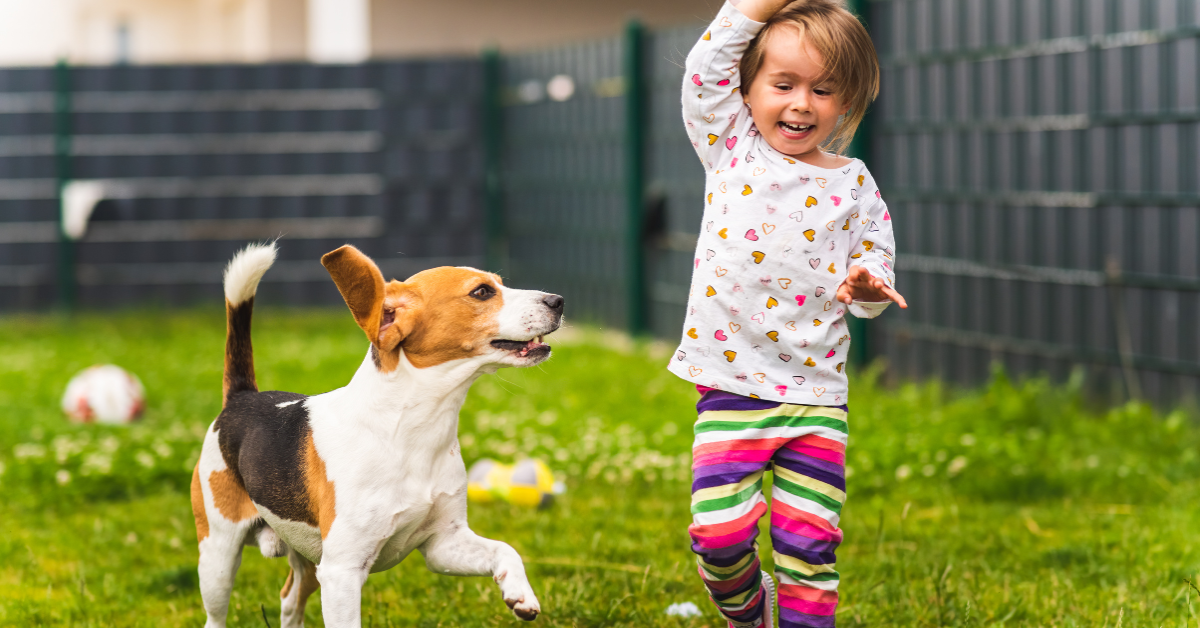
The backyard is where kids and dogs meet
For a lot of Kiwi families, the backyard is the heart of the home. It's where kids kick a ball, the dog races laps and everyone spends long summer evenings. When children and dogs share that space, it's worth making sure it's as safe as it is fun.
Most backyard hazards are easy to fix once you know what to look for. Some are obvious, like an unlatched gate. Others, like dog poo hidden in the grass, are easy to overlook. Here's a practical guide to making your yard safe for little people and four-legged ones.
How do you keep a backyard safe for children and dogs?
Think about the yard from both points of view. Children need a space free of trip hazards, sharp edges and anything harmful to touch or eat. Dogs need secure boundaries and protection from things that could make them sick.
The basics that cover both:
- Secure fences and self-closing, latching gates
- A yard that's cleared of dog poo regularly
- No toxic plants within reach
- Garden chemicals, tools and bait locked away
- Shade and fresh water on hot days
- A covered sandpit and an emptied paddling pool
Do a quick walk-around every week or so. Things change as the seasons do, and a gap in the fence or a new plant in the garden can easily go unnoticed.
Can children get sick from dog poo in the garden?
Yes. Dog poo can carry bacteria such as E. coli and parasites including roundworm, hookworm and giardia. Children are most at risk because they play on the ground, touch everything and often put their hands in their mouths.
Some parasite eggs can survive in the soil for a long time after the poo itself has gone, so a yard that's only cleared occasionally can stay contaminated. Regular scooping removes the source before it has a chance to break down into the lawn.
Simple habits help too. Wash hands after playing outside, keep shoes on in the yard and cover the sandpit, which can look like a perfect toilet to a dog or a neighbourhood cat.
How often should you clean up dog poo if you have kids?
At least weekly, and more often if the children play on the lawn every day or you have more than one dog. Many families with toddlers aim for a quick check every day or two, especially around the areas where the kids play most.
It's often a new baby or toddler that makes families rethink the routine. One Lyall Bay family we work with started planning regular visits around the time their baby would be ready to play outside on the lawn. It's a common turning point: the yard goes from being the dog's space to everyone's space.
Which plants and hazards are dangerous for kids and dogs?
Several plants found in New Zealand gardens can be harmful if eaten. Karaka berries are well known as toxic to dogs, and some common ornamentals can cause problems for both pets and children. If you're not sure about a plant in your yard, check with your vet or a garden centre, and remove anything doubtful from areas where children and dogs play.
Other hazards to watch for:
- Slug and snail bait, rat poison and fertiliser
- Cocoa mulch, which can be toxic to dogs
- Compost bins that dogs can get into
- Sharp garden tools and edging left lying around
- Standing water in buckets or pools
Store chemicals up high or in a locked shed, and choose pet-safe and child-safe products wherever possible.
How do you teach kids and dogs to share the yard safely?
Safety is about behaviour as well as the space itself. Teach children to leave the dog alone when it's eating, sleeping or chewing a toy, and never to approach a dog that's growling or backing away. Give the dog a place it can retreat to, such as a kennel or a quiet corner, where the kids know not to follow.
Always supervise young children with dogs, however gentle the dog is. Most bites to children happen at home, from a dog the family knows, often when the dog is tired, startled or protecting something.
Games work best when they're structured. Fetch, hide and seek with treats and simple training games are great ways for kids and dogs to bond with clear rules.
What's the safest surface for a backyard with kids and dogs?
There's no perfect surface, but each option has trade-offs worth knowing about.
Grass is soft for falls and comfortable for dogs, but it hides poo and can wear into mud in busy spots, especially through a Wellington winter. Regular scooping and some patching in spring and autumn keep it in good shape.
Artificial turf stays green and doesn't get muddy, but it can heat up in summer sun and needs regular rinsing and an enzyme cleaner, as urine and smells can build up underneath.
Bark and wood chips work well under play equipment, but they can hide waste and dogs sometimes chew them. Pea gravel is popular for dog toilet areas because it drains well and is easy to rake clean.
Many families mix surfaces: lawn for play, a gravel or bark toilet area for the dog, and soft fall under the swings. Whatever you choose, the key is keeping it clean so the whole yard stays usable.
A yard the whole family can enjoy
A safe backyard doesn't need to be complicated. Secure boundaries, a regular clean-up routine, a quick check for hazards and some ground rules for kids and dogs go a long way. Do that, and the yard becomes somewhere everyone can relax.
If you'd like one less job on the list, PooPals keeps family backyards clean across Wellington, the Hutt Valley and Porirua. We scoop the whole yard on a regular schedule, sanitise and deodorise the play areas, and send a photo of your closed gate every time we leave.