
What do you actually need to prepare before bringing a puppy home?
Most new owners focus on the obvious things, a bed, a lead, some toys, but the backyard often gets far less attention than it deserves, even though it is where your puppy will spend a lot of unsupervised time. Before your puppy arrives, it is worth doing a proper walk around the section with fresh eyes, checking fencing, gates, garden beds and anything within chewing or digging distance. A bit of preparation now saves a lot of stress, and the odd vet visit, later.
A basic setup list to work through beforehand includes a secure water bowl kept in shade, a sheltered spot to escape sun or rain, clear access back inside, and a designated toileting area you plan to encourage from day one. Puppies do best with structure, so deciding on this before they arrive makes the first few weeks noticeably smoother.
How do you puppy-proof the backyard?
Fencing is the first thing to check properly, not just for obvious gaps but for anything a determined puppy could squeeze under, climb over, or dig beneath. Puppies are surprisingly good at finding the one weak point in an otherwise solid fence, so it is worth checking gate latches, gaps under fence lines, and any furniture or planters positioned close enough to a fence to be used as a launch pad.
It is also worth thinking about supervision in those early weeks rather than assuming the yard is automatically safe once it is fenced. Most guidance from vets and welfare groups suggests keeping a close eye on outdoor time for the first week or two while your puppy settles in and you get a feel for what they are drawn to exploring, before gradually building up to more independent time outside.
Beyond the boundary itself, a walk through the yard should also cover:
- Garden tools, sprays, fertiliser or chemicals stored somewhere the puppy genuinely cannot reach
- Any gaps under decking or sheds where a small puppy could get stuck
- Loose or low hanging wires, such as outdoor lighting cables
- Compost bins secured with a lid, since these are a common source of stomach upsets
- Swimming pools or water features fenced off or supervised, particularly for very young puppies
Which common garden plants are dangerous for puppies in NZ?
A few New Zealand garden plants are genuinely worth knowing about before a puppy starts exploring the yard unsupervised. Karaka trees are one of the most serious, their berries can be fatal to dogs if eaten, particularly when they ripen between January and April, and the toxic kernel can remain dangerous even in fruit that fell seasons ago. If you have a karaka tree on or near your property, keeping the puppy away from fallen berries matters more than almost anything else on this list.
Other plants worth checking for around the yard include daffodils, especially the bulbs, foxgloves, ivy, rhubarb, and New Zealand tree nettle, commonly known as onga onga, which causes a painful sting rather than poisoning but is still worth avoiding. Kōwhai seeds are another native hazard some owners are not aware of. It is worth a proper walk around the section identifying anything in this category and either fencing it off or removing it before your puppy arrives, rather than discovering the hard way.
How do you start toilet training in the yard?
Consistency in the first few weeks makes an enormous difference. Taking your puppy to the same spot in the yard after meals, naps and play, and praising them the moment they go there, builds the habit far faster than leaving it to chance. Puppies typically need far more frequent bathroom breaks than adult dogs, often every hour or two when very young, so a predictable routine matters more than almost anything else in this stage.
It also helps to choose the toileting spot with future cleanup in mind. An area with grass or bark rather than a spot right beside the back door or outdoor entertaining area tends to work better long term, both for hygiene and for keeping the rest of the yard genuinely usable for the family.
Accidents inside will happen too, and that is completely normal in the early weeks. Cleaning these up promptly with a proper pet-safe cleaner, rather than a standard household cleaner, helps remove the scent that might otherwise draw your puppy back to the same indoor spot. Patience matters more than punishment here, puppies learn far faster from consistent praise for getting it right than from being told off for getting it wrong.
What hygiene habits should you build from day one?
This is the part that is easy to let slide with a new puppy, everything else feels more urgent, but starting good cleanup habits early sets the tone for years of yard care. A young puppy produces waste more often than an adult dog, so the yard can get messy faster than new owners expect, particularly with everything else going on in those first few weeks.
Picking up daily rather than waiting for the weekend, using gloves and washing hands afterwards, and keeping bags handy near the back door all help this become second nature rather than a chore you have to remember. It is also worth knowing that puppy waste can carry parasites and bacteria just like an adult dog's, so the same hygiene standards apply from the very first week home, not just once they are fully grown.
Rob and Sylvie from Wadestown contacted us to scoop after adopting a beautiful young beagle named Toby. Toby had to stay in his dog run in the backyard everyday when his parents went to work. He loved seeing us for a bit of company twice a week when we scooped and cleaned his area.
Making the first few months easier with PooPals
Between vet visits, training, and simply adjusting to life with a new puppy, backyard cleanup is often the first thing to slip for busy first-time owners, even the well organised ones. If you would rather have one less thing to manage while you settle in, PooPals provides weekly and fortnightly dog waste removal across Wellington City, Lower Hutt, Porirua and Upper Hutt, with police vetted staff, medical grade hygiene practices, gate photo confirmation and a 24 hour service guarantee. It is an easy way to keep the yard genuinely safe for a puppy who is still learning the ropes, and five percent of profits go back to local animal shelters.
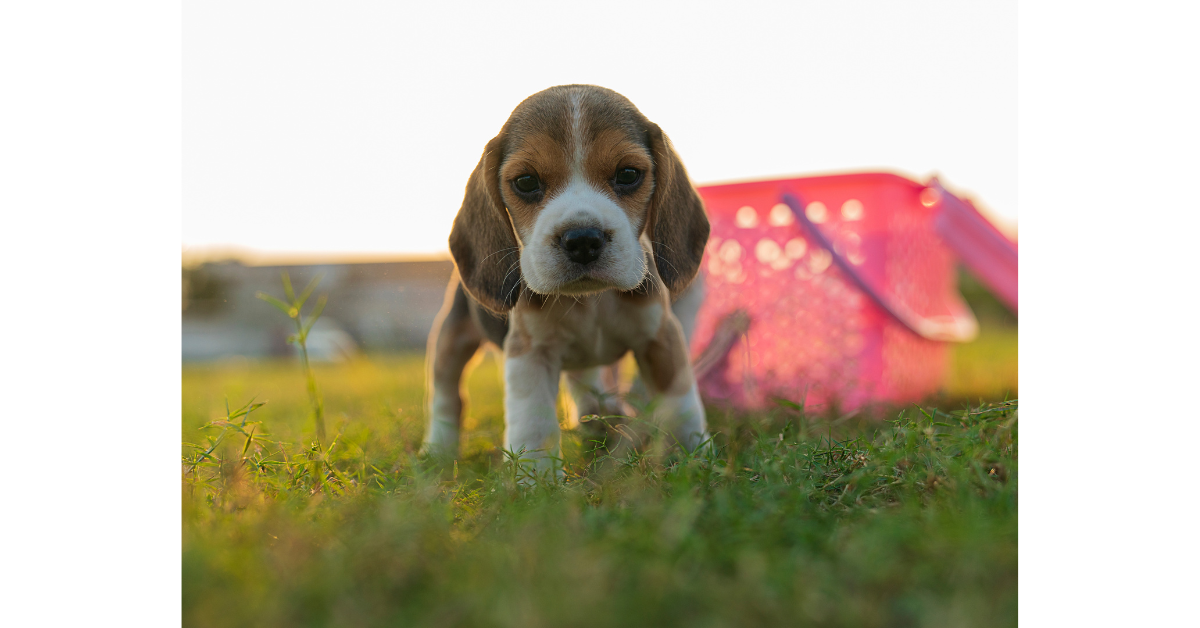
COVER IMAGE SUGGESTION: A puppy exploring a tidy, fenced NZ backyard with an owner nearby, conveying safe supervised outdoor time.
KEYWORDS USED: new puppy checklist NZ, puppy proofing backyard, plants toxic to dogs NZ, puppy toilet training yard, dog waste removal Wellington
PAA QUESTIONS USED: What do you actually need to prepare before bringing a puppy home? How do you puppy-proof the backyard? Which common garden plants are dangerous for puppies in NZ? How do you start toilet training in the yard?