
The grey area in every pet-friendly rental
Every rental property shows signs of use over time. Carpets flatten, paint fades and lawns get worn along the paths people walk. That's fair wear and tear, and it's expected. But when a dog lives at the property, the line between normal wear and pet damage can get blurry, especially outside.
Is a brown patch on the lawn damage, or just a dry summer? Are a few holes along the fence the dog's fault, or the result of a tired old section? Since tenants became liable for pet damage beyond fair wear and tear, these questions matter more than ever. Here's how to think about them fairly.
What is fair wear and tear in a rental yard?
Fair wear and tear is the gradual deterioration that happens through normal, reasonable use of a property over time. In a yard, that might include:
- Lawn thinning along well-used paths
- Grass browning during a dry summer
- Gradual weathering of fences, decks and gates
- Garden plants dying back with age or the seasons
- General settling or wear on paving and edges
These are things that would happen whether or not a dog lived there. A landlord can't usually claim for them, because they're the natural result of the property being lived in.
What counts as pet damage in a yard?
Pet damage is harm caused by the animal that goes beyond normal use. In a yard, common examples include:
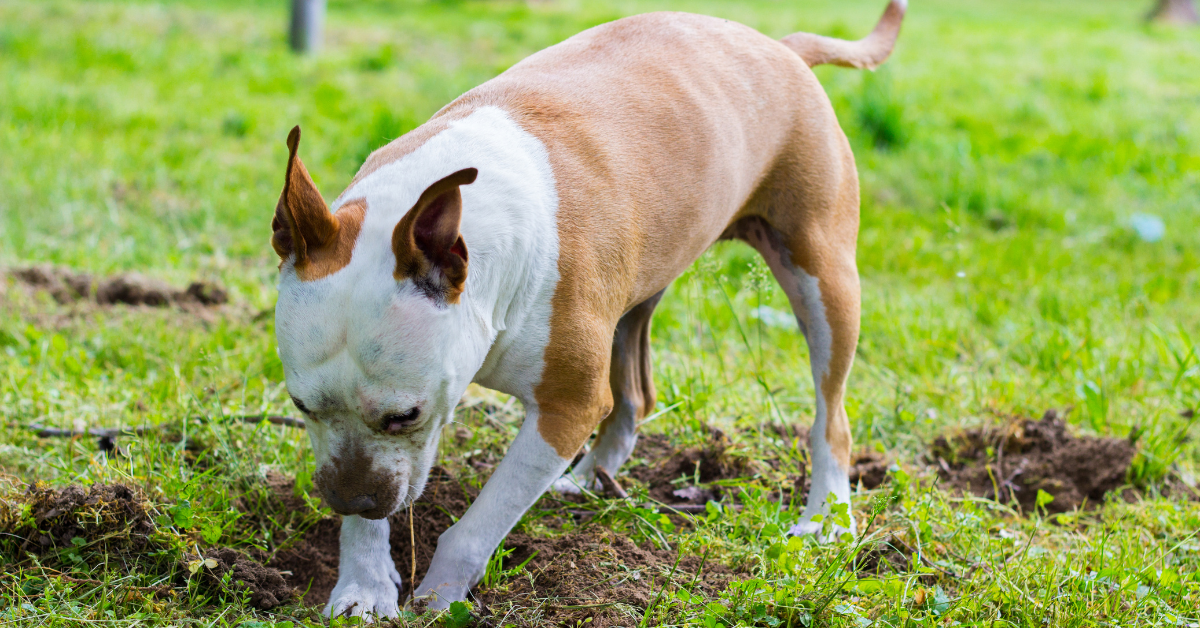
- Holes dug in lawns, garden beds or along fence lines
- Dead or burnt patches caused by repeated urination or waste left on the lawn
- Chewed fence palings, gates, outdoor furniture or irrigation
- Plants dug up or destroyed
- Urine staining and odour soaked into concrete, decking or pavers
- A lawn contaminated with a build-up of dog waste
The question to ask is whether the damage would have happened without the dog. If the answer is no, it's likely pet damage rather than wear and tear.
Who pays for a dog-damaged lawn in NZ?
Tenants are responsible for pet damage beyond fair wear and tear, and a landlord can claim the reasonable cost of repairs against the bond, including any pet bond. Fair wear and tear remains the landlord's responsibility.
In practice, the amount needs to be reasonable and reflect the actual damage. A lawn that was already patchy at the start of the tenancy can't be fully reseeded at the tenant's expense. That's why the ingoing inspection, and especially dated photos of the yard, are so important. If the two sides can't agree, Tenancy Services can help, and the Tenancy Tribunal can make a decision.
How do you tell the difference in practice?
Look for patterns. Dog damage tends to concentrate where the dog spends its time: favourite toilet spots, along fences where it patrols, near the back door or around a kennel. Fair wear and tear is usually more even and follows how people use the yard.
Compare the current state with the ingoing photos. Note the size and number of holes, the location of dead patches and the condition of fences. If waste has been left for a long time, it will often be obvious from the burnt rings in the grass and the smell on hard surfaces.
We see the effects of digging dogs regularly. One three-dog yard we look after in Taita has a lawn pitted with holes from digging, which also makes it slower to scoop because waste collects in the dips. That's typical of what active dogs can do to a section over time.
How can tenants prevent pet damage to the yard?
Most yard damage is preventable with a routine.
- Scoop regularly, at least weekly, so waste doesn't burn the grass
- Water the main urine spots to dilute nitrogen
- Fill holes as soon as they appear, before they get bigger
- Give digging dogs a sandpit or designated digging spot
- Provide enough exercise and enrichment so the dog isn't bored
- Keep chew toys outside to protect fences and furniture
A tidy, regularly maintained yard is also the best evidence a tenant can have. Keeping dated photos from regular cleans, or using a service that provides them, shows the yard was cared for throughout the tenancy.
One Porirua rental we look after fortnightly has two large dogs and a tenant who works long hours. When the tenancy ended after 18 months, the lawn had no burnt patches and the property manager had dated photos of every visit, so the yard was signed off at the outgoing inspection without any dispute over the bond.
How do you document a yard at the start of a tenancy?
Good records at the start make everything easier at the end. During the ingoing inspection, photograph the whole yard, not just the house. Take wide shots that show the overall condition and close-ups of anything worth noting, such as existing bare patches, worn paths, damaged fence palings or stained paving.
Make sure the photos are dated and stored somewhere both parties can access. Note the condition of the lawn and gardens on the inspection report in plain words, for example "lawn patchy along back fence" or "garden beds recently replanted".
Do the same at every routine inspection, from the same spots if possible. Comparing photos taken months apart is the most reliable way to tell whether a change is the result of normal use or the dog.
Keeping things fair for everyone
Pet damage and fair wear and tear can both show up in the same yard. The fairest outcomes come from clear records at the start, regular care during the tenancy and an honest look at the cause at the end.
If you manage pet-friendly rentals in Wellington, the Hutt Valley or Porirua, PooPals keeps yards clean on a regular schedule and sends dated before and after photos after every visit. Those photos give landlords and tenants a clear record of the yard's condition, and an insurance certificate is available on request.
This article is general information only, not legal advice. Check Tenancy Services for the rules that apply to your situation.