
Why pets matter in retirement villages
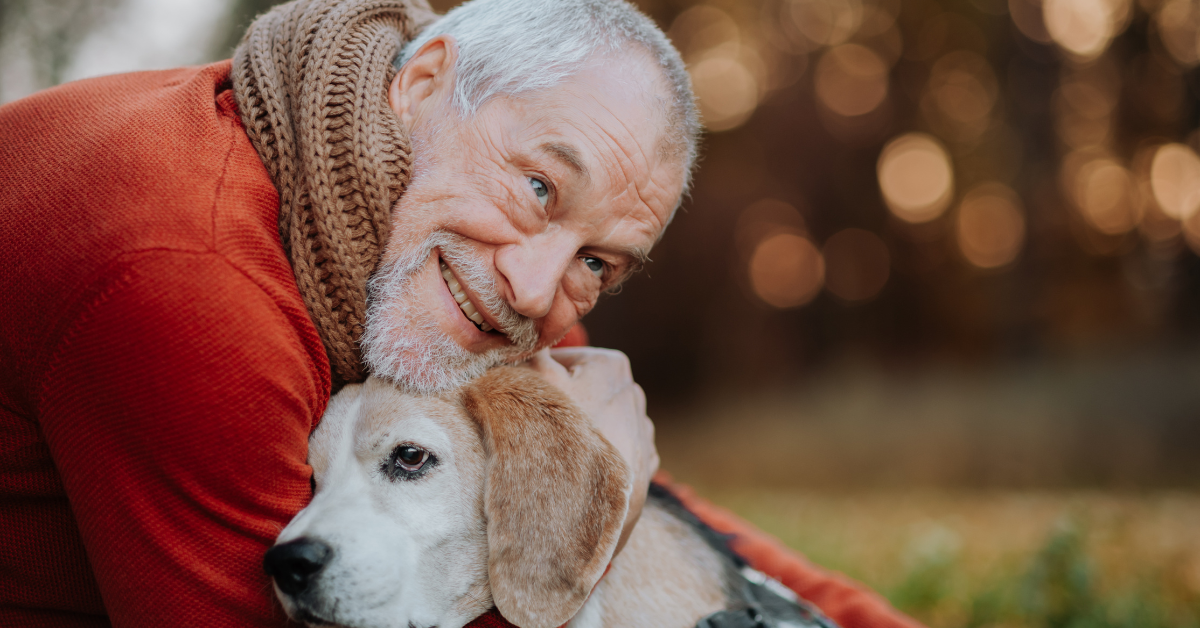
For many older New Zealanders, a pet is part of the family. Moving into a retirement village can feel like a big change, and being able to bring a beloved dog or cat along makes that transition easier. Pets provide companionship, routine and a reason to get outside every day.
More villages are recognising this and welcoming pets, often with sensible conditions. But shared grounds bring shared responsibility. Paths, lawns and gardens used by many residents need to stay safe and pleasant for everyone, including those who don't own pets. This guide looks at how villages and residents can make pet-friendly living work well.
Can you have a dog in a retirement village in NZ?
It depends on the village. There's no single rule for all retirement villages in New Zealand. Each village sets its own pet policy, usually through its occupation right agreement, village rules or a separate pet agreement.
Some villages welcome small dogs and cats, others allow pets only in certain types of units, and some don't allow new pets at all. It's common for villages to require approval before a pet moves in, and to set conditions about size, number, behaviour and care.
If you're considering a village and have a dog, ask to see the pet policy before you sign anything. It's also worth asking what happens if you're no longer able to care for your pet, as many villages have a plan for this.
What rules do retirement villages have for pets?
Pet policies vary, but common conditions include:
- One pet per unit, often with a size or weight limit
- Dogs kept on a lead in shared areas
- Owners picking up after their dog immediately
- Pets registered, vaccinated and treated for fleas and worms
- Noise and behaviour kept under control
- A plan for care if the owner is unwell or away
Most of these rules come back to the same goal: making sure pets don't create problems for other residents. Dog waste on shared grounds is one of the most common causes of complaints, and one of the easiest to prevent.
Why is dog waste a safety issue for older residents?
For older people, dog waste on paths and lawns is more than unpleasant. It's a slip hazard. Falls are one of the most common causes of injury for older New Zealanders, and stepping on waste, particularly on wet grass or paving, can easily lead to a fall.
There's a hygiene risk too. Dog waste can carry bacteria and parasites that spread through contact with contaminated ground, and some residents may have weaker immune systems. Waste can also be tracked into shared buildings on shoes and walking frames.
For residents who own dogs, bending to pick up waste can be difficult in itself, especially for those with reduced mobility, balance concerns or poor eyesight. A rule that says "pick up after your dog" only works if residents are physically able to do it.
How can villages keep shared grounds clean and safe?
The most effective villages combine clear rules with practical support.
- Designate a dog toilet area away from main paths and entrances
- Install bag dispensers and lidded bins at convenient points
- Provide long-handled scoopers for residents who find bending difficult
- Include pet waste in the grounds maintenance schedule
- Keep a simple process for residents to report problem areas
A regular professional cleaning service for shared grounds takes the pressure off both residents and village staff. It also gives management a dated record that common areas are being maintained, which can be helpful when residents or families raise concerns.
One Upper Hutt customer in her eighties had started to struggle bending down to pick up after her small terrier, especially on the slope at the back of her section. A fortnightly scoop now means she can keep enjoying the garden with her dog, and her daughter no longer has to come round every weekend to do it.
How can residents with dogs help?
Residents who own pets play a big part in keeping things harmonious.
- Walk dogs on a lead in shared areas and stick to designated toilet spots
- Carry bags on every walk, even short ones
- Let staff know if you're struggling to keep up with pick-ups
- Be considerate of neighbours who may be nervous around dogs
If keeping up has become hard, it's better to ask for help early. Many villages are happy to arrange support, and it can be the difference between keeping a pet and having to rehome it.
What happens to a pet if a resident can no longer care for it?
It's a question every pet owner in a retirement village should think about. Health can change quickly, and a resident may move to a higher level of care where pets aren't allowed, or simply find it harder to look after their dog.
Many villages ask residents to name a pet carer, often a family member or friend, who can step in if needed. It's worth writing down your pet's routine, vet details, diet and any medication, and keeping it somewhere easy to find.
Some residents arrange extra help, such as dog walking or regular yard and grounds cleaning, to make day-to-day care easier and keep their pet at home for longer. Talking to village management early about the options means there's a plan in place before it's needed, which gives both residents and families peace of mind.
Families can help too. Visiting relatives can take the dog for a walk, check the area around the resident's unit or help arrange support, so the pet remains a joy rather than a worry.
Pet-friendly living that works for everyone
Pets bring real joy to retirement village life. With sensible policies, convenient facilities and a reliable routine for shared grounds, villages can welcome dogs while keeping paths and lawns safe for every resident.
If you manage a retirement village in Wellington, the Hutt Valley or Porirua, PooPals can keep shared grounds clean on a regular schedule. Our background-checked staff start with a free site visit and a custom Pet Waste Management Plan, send dated before and after photos after each visit, and an insurance certificate is available on request.