
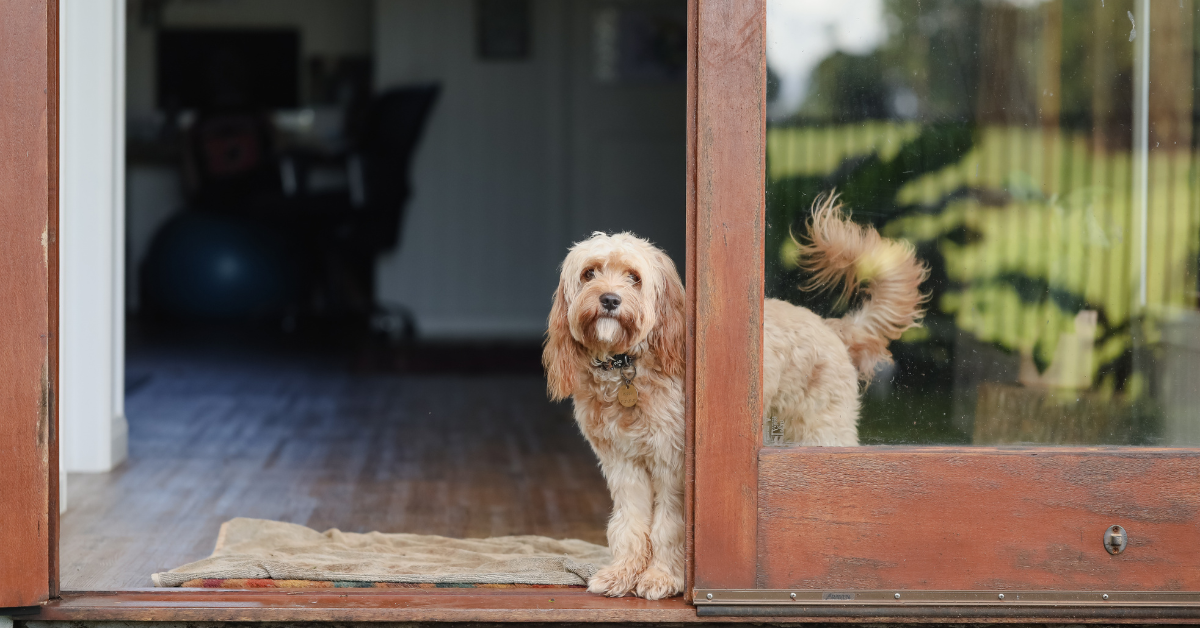
Why more landlords are saying yes to dogs
For years, "no pets" was the default line in many New Zealand rental listings. That has changed. Since December 2025, tenants need their landlord's consent to keep a pet, and landlords can only refuse on reasonable grounds. In return, landlords can set reasonable conditions and ask for a pet bond.
Many landlords and property managers are finding that saying yes works in their favour. Pet owners often stay longer, look after the property they've worked hard to find and are willing to meet clear expectations. The key is setting things up well from the start, particularly outside, where dogs have the biggest impact.
Can a landlord say no to a dog in NZ?
A landlord can still decline a pet, but only on reasonable grounds. Examples might include a property that genuinely isn't suitable for the animal, such as a small apartment with no outdoor space for a large dog, or body corporate rules that don't allow pets.
What a landlord can no longer do is refuse simply as a blanket policy. If you receive a pet request, consider it on its merits, respond within the required timeframe and keep a record of your reasons. If you're unsure whether your grounds would be considered reasonable, Tenancy Services has guidance for landlords.
What conditions can you set for tenants with dogs?
Landlords can set reasonable conditions when they agree to a pet. These should relate to the pet and the property, and be clear enough that everyone knows what's expected. Common examples include:
- Keeping the yard free of dog waste
- Repairing any holes the dog digs
- Keeping the dog outside or off certain areas, such as carpeted bedrooms
- Making sure gates are kept closed and fences maintained
- Having the carpets professionally cleaned at the end of the tenancy
Write the conditions into the tenancy agreement or a pet agreement attached to it, so there's no confusion later. Conditions work best when they're specific. "Keep the yard tidy" is open to interpretation. "Remove dog waste from the yard at least weekly" is not.
How much is a pet bond in New Zealand?
A pet bond can be up to two weeks' rent, and it's separate from the standard bond, which can be up to four weeks' rent. It's lodged with Tenancy Services in the same way as a normal bond, and it can be used to cover pet-related damage beyond fair wear and tear at the end of the tenancy.
A pet bond gives landlords some reassurance, but it isn't a replacement for keeping an eye on the property. Regular inspections, with photos of the yard as well as the house, are the best way to spot small problems before they become expensive ones.
How do you protect the yard when renting to dog owners?
The yard is where most dog-related wear shows up. Waste left on the lawn burns the grass, digging leaves holes along fence lines, and urine on paths and decks leaves stains and smells that are hard to shift.
A few simple steps make a big difference:
- Check the fences and gates are secure before the tenancy starts
- Photograph the lawn, garden beds and hard surfaces at the ingoing inspection
- Agree on how often waste will be cleared and who is responsible
- Include the yard in every routine inspection
- Suggest a regular scooping service if the tenant works long hours
Communication matters too. Dogs need to be secured when tradespeople, inspectors or service providers visit, and that's easier to arrange when everyone knows the plan. We had a Naenae first visit rescheduled recently because the flatmate who could secure the dogs wasn't going to be home that day. Small details like that are worth working out in advance, especially in shared flats.
What are the benefits of renting to pet owners?
Renting to pet owners opens your property to a larger pool of tenants, which can mean less time vacant. Tenants with pets often find it harder to secure a rental, so when they find a good one, they tend to stay longer and look after it.
There's a goodwill factor as well. A tenant who has been trusted with their dog is usually keen to keep that trust. Clear conditions and a fair pet bond turn what used to feel like a risk into a manageable arrangement for both sides.
One Lower Hutt property manager we work with approved a tenant’s two dogs on the condition that the yard was scooped weekly. Eighteen months on, the lawn looks the same as it did at the ingoing inspection, the visit photos have saved the manager a trip out to check, and the tenant has just signed on for another year.
Should you include the yard in routine inspections?
Yes. Routine inspections are often focused on the inside of the house, but the yard is where a dog's impact shows first. A quick walk around the lawn, fences and paths at every inspection lets you spot problems while they're small, like a few new holes or a patch of burnt grass, and raise them with the tenant early.
Take dated photos from the same spots each time. Over a tenancy, they build a clear picture of how the yard has been looked after, which helps both sides if there's a question at the end. If the tenant uses a regular scooping service, ask whether they can share the visit photos. They're often the easiest evidence there is.
Keep the conversation positive. Most tenants want to keep their bond and their landlord happy, and a friendly heads-up at an inspection is usually all it takes to get the yard back on track.
Making pet-friendly rentals easy
Saying yes to tenants with dogs doesn't have to mean accepting a damaged yard. With clear conditions, a pet bond and a regular routine for the lawn, most pet-friendly tenancies run smoothly from start to finish.
If you manage rentals across Wellington, the Hutt Valley or Porirua, PooPals can keep tenanted yards clean on a set schedule, with dated before and after photos after every visit and an insurance certificate on request. We start with a free site visit and a custom Pet Waste Management Plan, so you know exactly what's being done.
This article is general information only, not legal advice. Check Tenancy Services for the rules that apply to your situation.